Visit Ghana: The Ultimate 2026 Travel & Tourism Guide
So… why is everyone suddenly talking about Ghana?
If you’ve landed on this page, chances are you’ve already seen it. The airport dances. The rooftop brunches. The beach sunsets that look suspiciously unreal. The group chats lighting up every December with “I’m booking Ghana, you in?”
Welcome to the ripple effect of December in Ghana — also lovingly known as Detty December — a cultural moment that quietly turned into a global phenomenon.
What started as end-of-year homecomings for the diaspora has grown into one of the most talked-about travel experiences in the world. And Ghana, calmly and confidently, has been hosting the party while offering something much deeper than vibes alone.
It’s Not Just Social Media Hype (But Let’s Talk About That First)
You’ve probably scrolled past it already.
Influencers (and influencer-adjacent cousins) documenting every step of their journey — from departure airport fits to that mandatory first dance at Kotoka International Airport. TikTok timelines flooded with nightlife clips, street food discoveries, beach clubs, festivals, and late-night karaoke that somehow turns into morning.
Then there are the storytellers.
Wode Maya, moving effortlessly between continents, spotlighting Africa with pride while reminding everyone exactly where he’s from.
Vanessa Kanbi, doing this long before algorithms and reels were even a thing.
And quietly in the background — viewGhana, verifying the places, the events, the venues, and the people behind the posts, so visitors can separate real experiences from rented aesthetics.
All of this has built a steady crescendo — drawing attention to a country many once reduced to “that place next to Nigeria” (quick geography break: Benin and Togo would like their respect — they are very much real and very much on the road trip).
More Than a December Fling
Here’s where Ghana really surprises people.
You come for the parties — fair enough.
But you stay for the context.
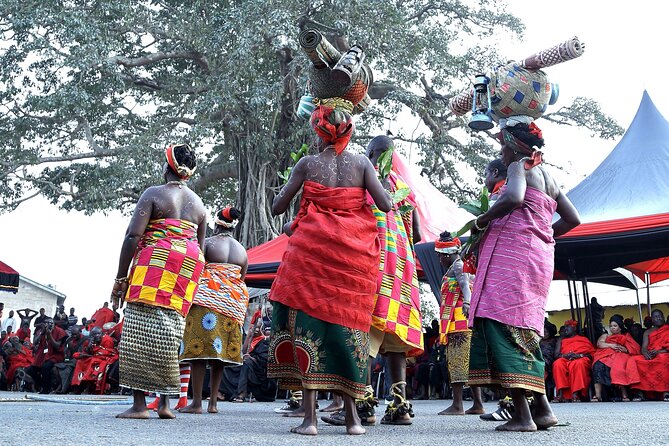
Ghana isn’t just one city or one season. It’s a country of 16 regions, each with its own rhythm, landscape, food, and history.
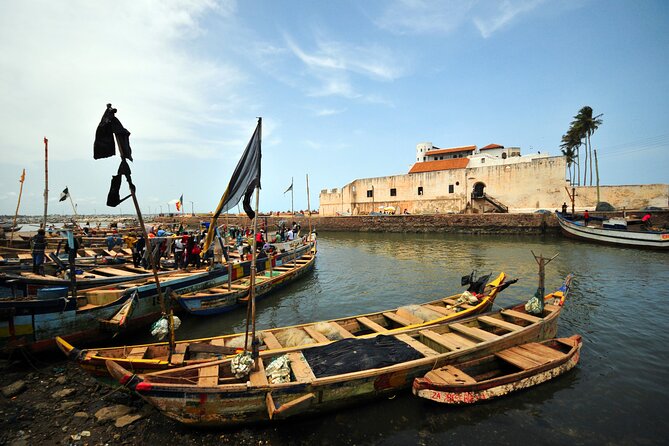
Along the coast, you’ll find historic forts and castles that offer a humbling, emotional insight into the transatlantic slave trade — a grounding experience that changes how many visitors see the world, not just Ghana.
Travel inland and you’ll discover rainforests, waterfalls, wildlife, and national parks. Head north and the pace slows, the skies open up, and the culture shifts again.
And somewhere along the way, it clicks that:
Ghana is the second-largest producer of cocoa in the world (yes, that chocolate you love),
One of the most politically stable countries in Africa,
And increasingly, a place people don’t just visit — they return to.
Suddenly, visiting Ghana becomes less about a holiday and more about understanding what each region offers, where to go, and how to experience it properly.
That’s where this guide comes in.
Getting Around Ghana (Without the Stress)
Getting around is easier than people expect.
In Accra:
Uber and Bolt are widely used, reliable, and affordable, making them the go-to option for visitors who want transparent pricing and ease.
Between cities:
STC and VIP buses are dependable for inter-city travel. For longer journeys — like Accra to Tamale — domestic flights with Africa World Airlines (AWA) or PassionAir save time and energy.
Is Ghana Safe to Visit?
Short answer: yes.
Ghana is widely regarded as one of the safest countries in Africa. As with anywhere, basic awareness applies — keep an eye on your belongings in crowded markets and nightlife areas.
Health-wise:
Drink bottled or filtered water
Use mosquito repellent
Follow standard travel health advice
Nothing extreme, nothing unusual — just sensible travel habits.
So… Why Ghana, Really?
Because beyond the parties, the aesthetics, and the algorithms, Ghana offers something rare:
warm people, layered history, creative energy, and a sense of belonging — whether it’s your first visit or your fifth.
This page is your starting point. From regions to experiences, events to everyday life, viewGhana is here to help you explore Ghana properly — not just visit it.
And trust us: once you do, you’ll understand why people keep coming back.
Akwaaba! (Welcome). Whether you are planning on visiting Accra for the first time or looking for where to go in Ghana beyond the capital, viewGhana is your definitive resource. We have compiled this comprehensive hub to ensure your journey to the “Center of the World” is seamless.
Ghana at a Glance
| Capital | Accra |
| Language | English (Official), Twi, Ga, Ewe, Fante (Common) |
| Currency | Ghana Cedi (GHS) |
| Best Time to Visit | October to March (Dry Season / “Detty December”) |
| Entry Requirement | Valid Passport, Visa (Non-ECOWAS), Yellow Fever Card |
Why Tourism in Ghana is a Global Phenomenon
Tourism in Ghana has evolved from a niche heritage destination into a global cultural powerhouse. Known as the “Gateway to Africa,” Ghana offers a unique blend of safety, political stability, and a high-octane creative scene.
From the UNESCO World Heritage sites along the coast to the savanna safaris in the North, the question isn’t why visit Ghana, but where to start.
Where to Go in Ghana: A Regional Overview
To truly visit Ghana, you must look beyond the capital. The country is divided into 16 administrative regions, each with its own distinct culture and landscape.
1. Greater Accra: The Urban Pulse
If you are visiting Accra, you are entering the most cosmopolitan city in West Africa.
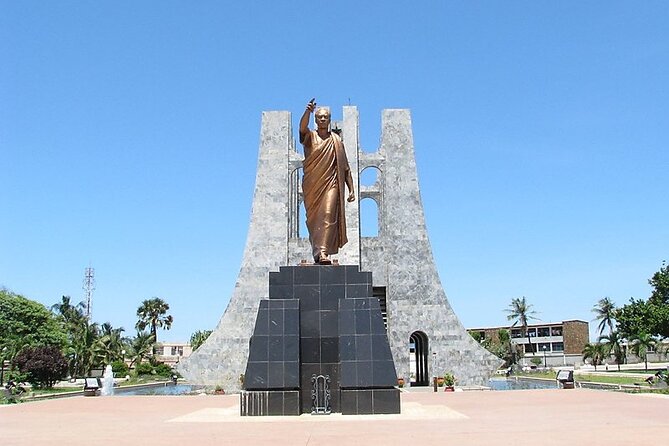
Must-See: Kwame Nkrumah Memorial Park, Black Star Square, and the vibrant Makola Market.
Best for: Nightlife, luxury dining, and business.
2. Central & Western Regions: History and Surf
This is where to go in Ghana for a deep dive into history and Atlantic beauty.
Cape Coast & Elmina: Home to the historic castles that tell the story of the Transatlantic slave trade.
Busua & Axim: The best spots for surfing, eco-resorts, and secluded beaches like Lou Moon.
3. Ashanti Region: The Cultural Heartbeat
Kumasi, the garden city, is the seat of the Asante Kingdom.
Highlights: The Manhyia Palace Museum and the Kejetia Market (the largest open-air market in West Africa).
4. Northern & Savannah: Wildlife and Architecture
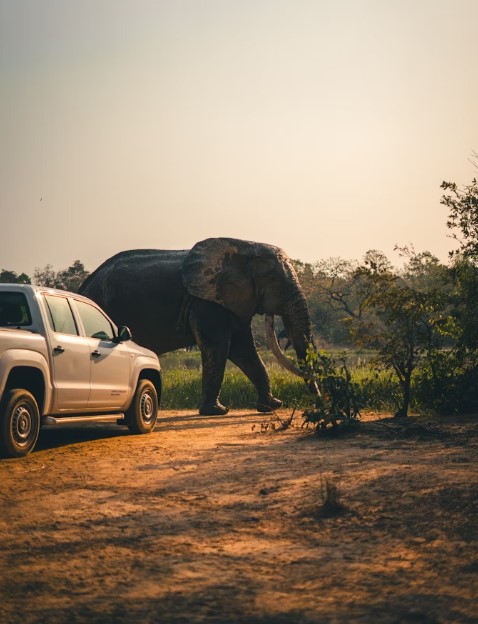
Mole National Park: Ghana’s flagship safari destination where you can see elephants on foot.
Larabanga Mosque: One of the oldest “Sudanese-style” mosques in Africa.
5. Volta Region: The Adventure Hub
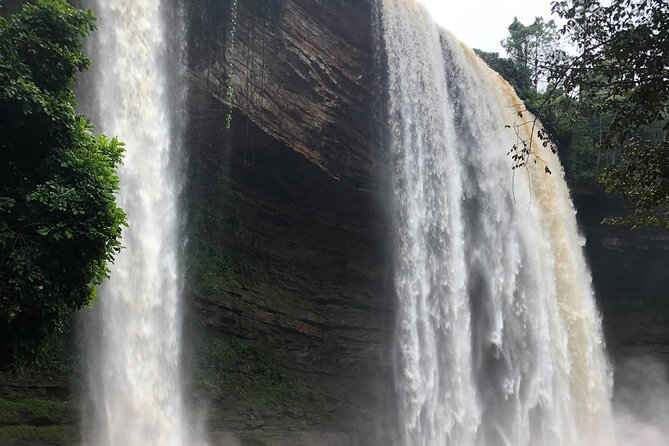
Nature: Wli Waterfalls (the highest in West Africa) and the lush peaks of Mount Afadjato.
Visit Accra: Your Guide to the Capital City
Tourism in Accra is the primary driver of the country’s travel economy. When people talk about Visit Accra, they are usually referring to the city’s unique “neighborhood” culture.
Osu (Oxford Street): The epicenter of street food, souvenirs, and late-night bars.
Cantonments & Labone: The upscale hubs for fine dining and “hidden” cocktail lounges.
Jamestown: The historic fishing district, famous for its lighthouse and the Chale Wote Street Art Festival.
Labadi Beach: The quintessential Accra beach experience—horses, music, and fresh grilled tilapia.
Specialized Tourism in Ghana
Eco-Tourism & Wildlife
Ghana is a paradise for birdwatchers (over 700 species) and nature lovers.
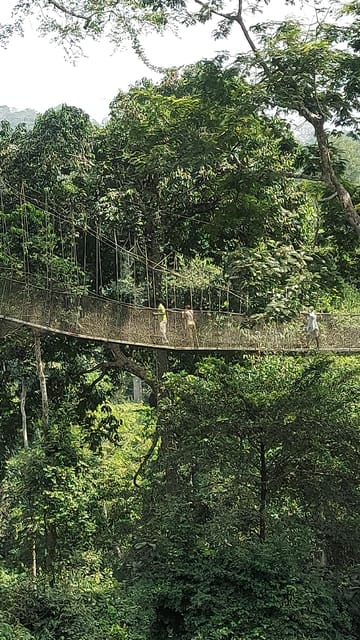
Kakum National Park: Famous for its world-class canopy walkway suspended 40 meters above the forest floor.
Monkey Sanctuaries: Visit Tafi Atome or Boabeng-Fiema to see sacred monkeys living in harmony with villagers.
The “Detty December” Experience
December is the peak of Tourism in Ghana. The AfroFuture Festival (formerly Afrochella) and Wildaland attract thousands of the global diaspora. If you plan to visit Accra in December, book your accommodation at least 6 months in advance.
The Traveler’s Toolkit: Planning Your Visit
1. Visas and Entry
Unless you are from an ECOWAS country, you will need a visa. Most travelers apply via the Ghana High Commission in their home country. Note: A Yellow Fever vaccination certificate is mandatory for entry.
2. Money & Payments
While hotels and big restaurants take cards, Ghana runs on Mobile Money (MoMo). We recommend getting a local SIM card (MTN or Telecel) immediately upon arrival at Kotoka International Airport.
3. Getting Around
In Accra: Use Uber or Bolt for safety and transparent pricing.
Inter-city: STC and VIP buses are reliable. For longer distances (Accra to Tamale), domestic flights via PassionAir or Africa World Airlines (AWA) are recommended.
4. Safety and Health
Is it safe to visit Ghana? Absolutely. It is one of the safest countries on the continent. Standard precautions against pickpockets in crowded markets apply. For health, drink bottled water and use mosquito repellent to prevent Malaria.
Frequently Asked Questions (FAQ)
Is Tourism in Ghana expensive?
Ghana offers everything from $20/night hostels to $500/night luxury resorts. While local food is very affordable, “western-style” dining in Accra is priced similarly to London or New York.
What should I wear when visiting Accra?
Ghana is relatively conservative but very fashion-forward. Light, breathable fabrics are best. For formal events or church visits, modest dress is expected.
If you want to know more about Ghana places to visit and experience start from the viewGhana homepage here you will find links to every thing you need to know about Ghana.