

FILM REVIEW: Virgin Of The Throne (2026)
African storytelling has always carried the weight of history, and Virgin of the Throne leans fully into that strength. Directed by Frank Rajah Arase, this is a film that doesn’t just sit in the past or the present — it moves between both, showing how deeply tradition continues to shape modern life.
At its core, the film explores a powerful idea: that some rules never fade, and the consequences of those traditions can echo across generations.
Plot Overview: A Tradition That Refuses to Stay in the Past
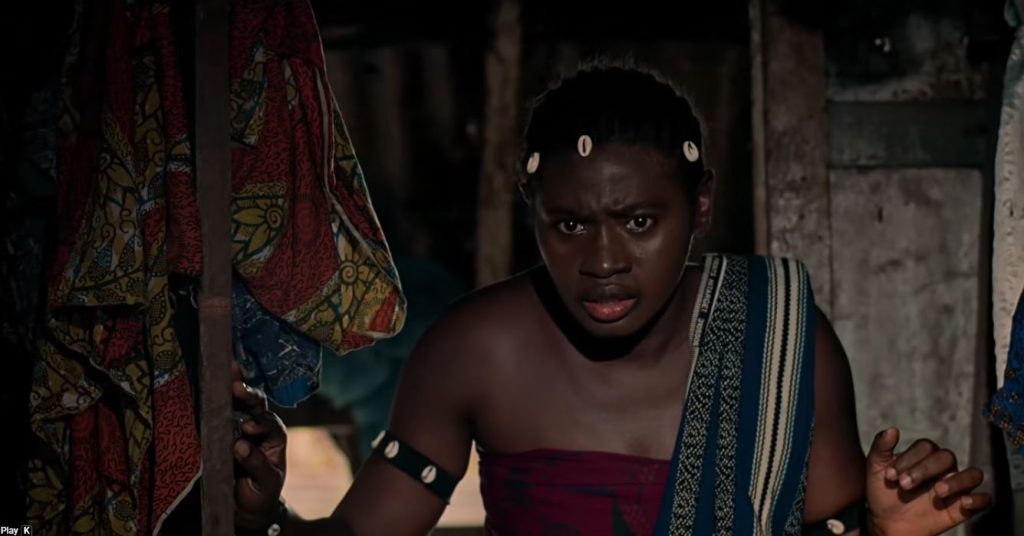
Set within a kingdom bound by an ancient decree, the story revolves around a sacred rule — the throne can only be claimed by a maiden deemed pure. It’s a law rooted in history, one that once defined order and stability.
But Virgin of the Throne doesn’t present this as a distant, historical concept. Instead, it brings that tradition into the present, showing how its expectations, pressures, and consequences continue to influence the lives of those living now.
As the coronation approaches, the weight of this rule begins to ripple through families and relationships. What once may have been accepted without question is now tested against modern realities. The result is tension — not just within the palace, but within individuals who must navigate the space between cultural expectation and personal truth.
Secrets begin to surface, not only because people seek power, but because the past leaves them with no room to escape it. In this world, tradition is not a backdrop — it is an active force shaping every decision.
A Pan-African Story with a Shared Identity
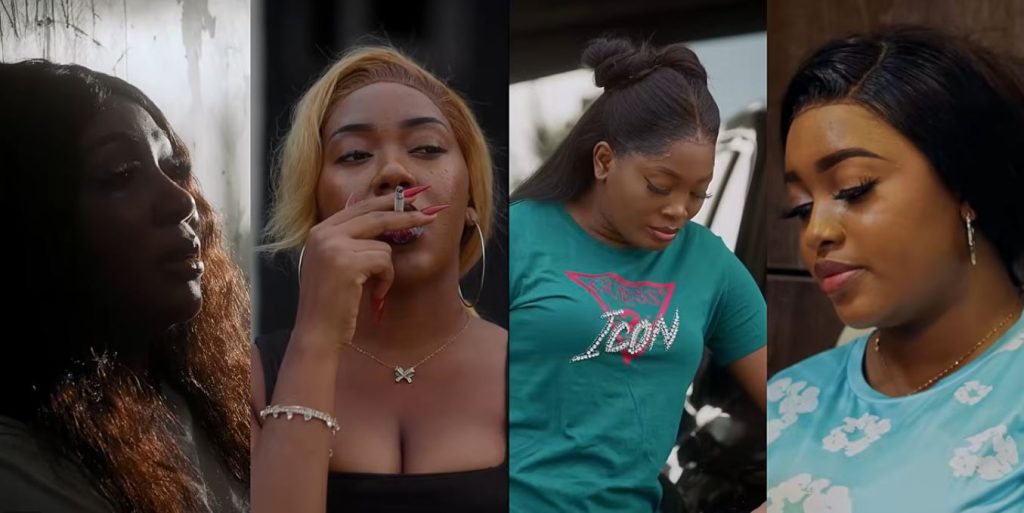
The film’s cross-continental casting strengthens this theme of continuity and shared heritage. Ghanaian actors such as Majid Michel, Adjetey Anang, and Martha Ankomah bring a sense of authority and familiarity, anchoring the story in performances that feel grounded and real.
Alongside them, Lateef Adedimeji and Syndy Emade help expand the film’s reach, reinforcing the idea that these themes are not limited to one country or culture. The blend of voices and styles reflects a wider African experience — one where tradition, identity, and modern life are constantly intersecting.
The Deeper Story: Living Under the Weight of Tradition

What sets Virgin of the Throne apart is how it treats tradition not as something to admire from a distance, but as something that actively shapes the present.
The film raises quiet but powerful questions. What happens when old rules no longer fit modern realities? How do individuals reconcile who they are with who they are expected to be? And at what point does tradition become a burden rather than a guide?
This tension creates a strong psychological layer throughout the film. Characters are not only navigating ambition and power, but also the fear of being judged against standards set long before they were born.
It’s in this space — between past and present — that the film finds its real strength.
Final Take
Virgin of the Throne is more than a royal drama; it is a reflection on how deeply history can shape the present. By weaving together tradition and modern storytelling, the film creates something that feels both culturally rooted and immediately relevant.
It’s a story about power, identity, and the lasting influence of belief systems that refuse to fade.
ViewGhana Verdict: A thoughtful and engaging drama that shows how the past is never truly behind us — and how tradition can define, challenge, and sometimes trap the present.
Experience It in Ghana
Starting April 3, 2026, Ghanaian audiences can witness this epic at:
-
Silverbird Cinemas (Accra Mall & West Hills Mall)
-
SG Mall (Kumasi)
- Golden Eagle Eagle @ City Mall (Kumasi)