

FILM REVIEW: Eyes of Ghana – A Beautifully Shot Documentary That Promises More Than It Delivers
A fascinating glimpse into Ghana’s history, the vision of Kwame Nkrumah and the remarkable life of cinematographer Chris Hesse. But does Eyes of Ghana deliver on the expectations set by its trailer?
There is something special about watching Ghana’s history unfold on the big screen, particularly when that history is told through the eyes of someone who was actually there.
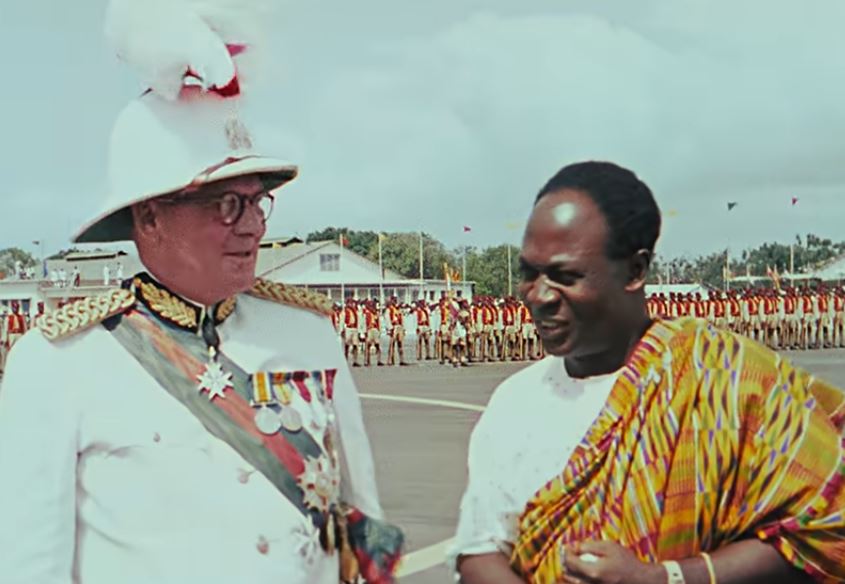
Eyes of Ghana, directed by Ben Proudfoot and executive produced by Barack and Michelle Obama’s Higher Ground Productions, introduces us to 93-year-old Ghanaian cinematographer Chris Hesse, the man who was handpicked to document the life and political journey of Ghana’s first president, Dr Kwame Nkrumah.
On paper, this should be an extraordinary documentary. And in many ways, it is. The cinematography is beautiful, the restored historical footage is fascinating, and the story deserves to be told.
But here’s the problem: the trailer sets up an expectation that the documentary never quite fulfils.
The promise of something extraordinary
The trailer presents what appears to be a remarkable story of discovery.
We are introduced to Chris Hesse, Nkrumah’s personal cameraman, and the suggestion that somewhere in London, more than a thousand cans of historical film footage have been sitting in storage for decades.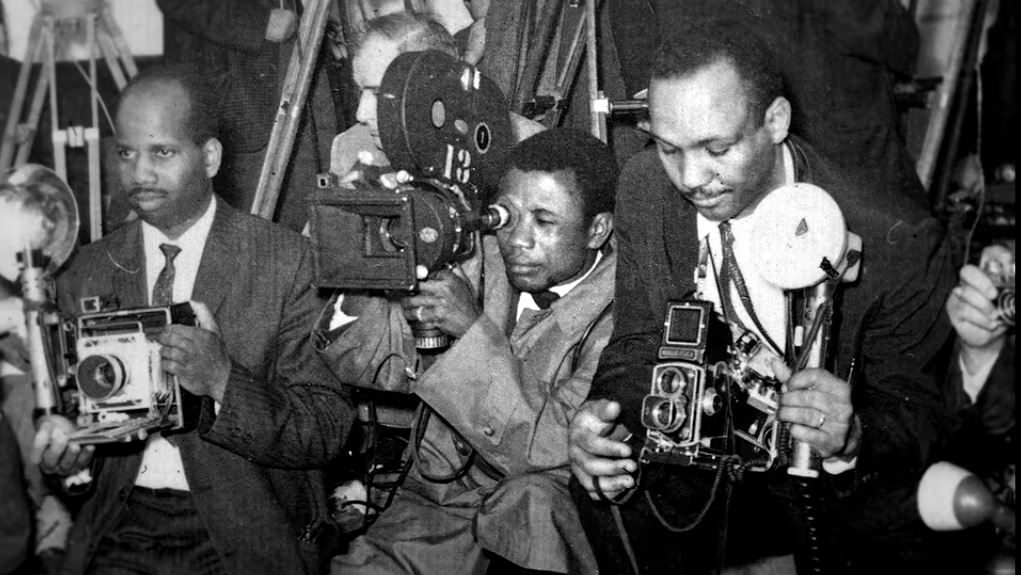
These films, we are led to believe, contain a visual record of Nkrumah and the early years of Ghana’s independence, potentially revealing moments and perspectives that have been lost or forgotten.
The premise is compelling.
We are about to embark on a journey to uncover this forgotten footage, restore it and perhaps see something extraordinary about Ghana’s first president that the world has never seen before.
At least, that’s what I expected.
Three characters, three stories
The documentary opens by introducing three central figures:
- Chris Hesse: The legendary Ghanaian cinematographer who documented Nkrumah’s presidency and witnessed some of the defining moments of Ghana’s early independence.
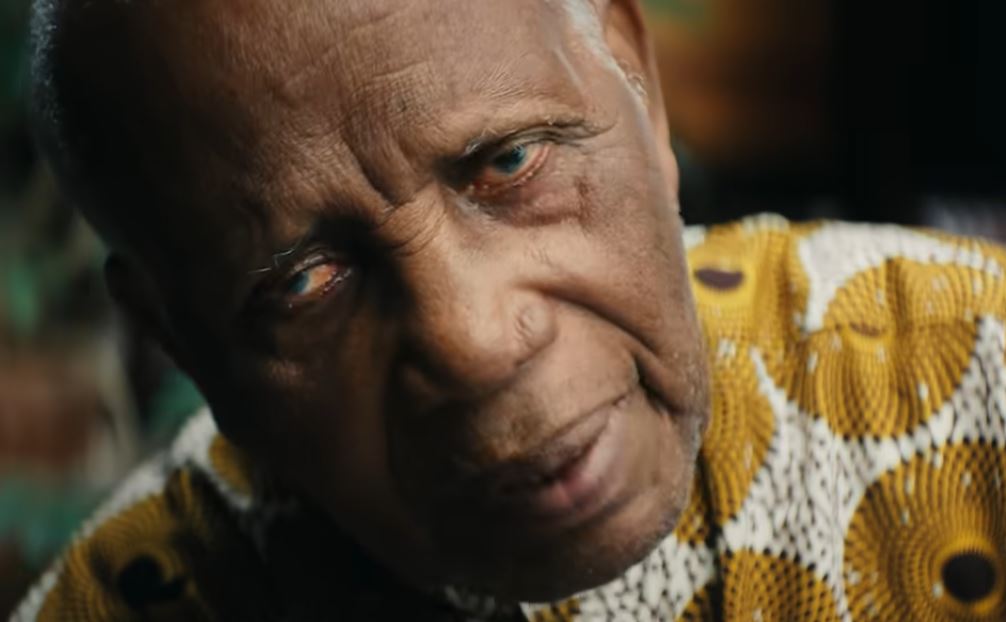
- Anita Afonu: A Ghanaian filmmaker and Hesse’s protégé, who helps introduce his remarkable story.
- Mr Addo: The former projectionist of the now-dilapidated Rex Cinema in Accra, who has spent around 20 years living at the disused outdoor cinema, hoping one day to screen films there again.
It’s an interesting collection of characters, each with a potentially compelling story to tell.
The documentary then takes us through the history of colonial Africa, the struggle for African representation and the emergence of Ghana as the first sub-Saharan African country to gain independence from colonial rule.
We get a relatively brief introduction to Kwame Nkrumah, including his education at Lincoln University in the United States, his political awakening and his ambitious vision of a united Africa.
For anyone unfamiliar with Ghanaian history, this provides useful context. But for those who already know the story of Nkrumah, it feels like we are only scratching the surface.
When the historical footage takes centre stage
The documentary becomes particularly interesting when Chris Hesse begins recounting his experiences working alongside Nkrumah.
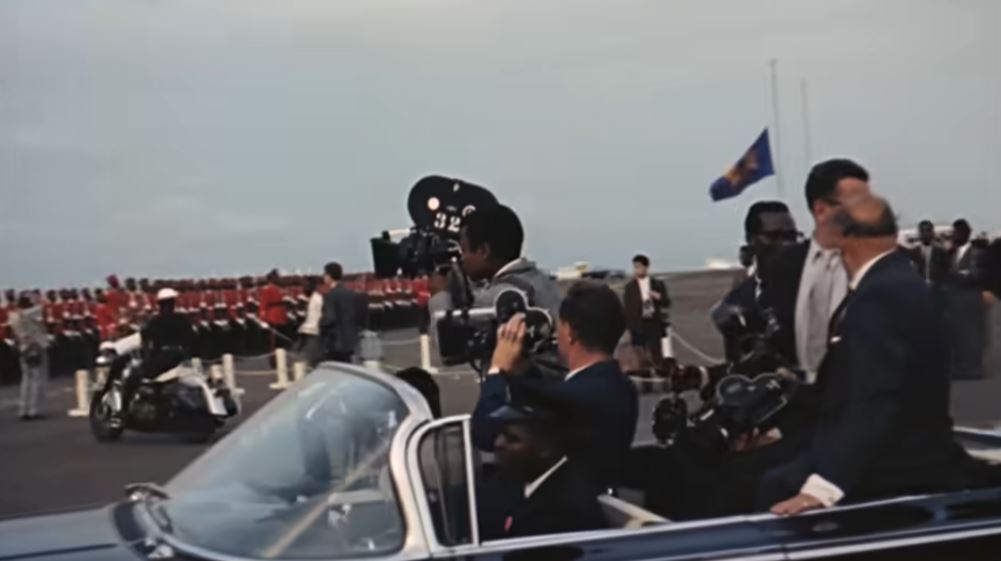
Through his memories and restored footage, we see Ghana’s first president travelling the world and meeting some of the most influential political figures of the 20th century.
John F. Kennedy, Queen Elizabeth II, Leonid Brezhnev and Fidel Castro all make appearances.
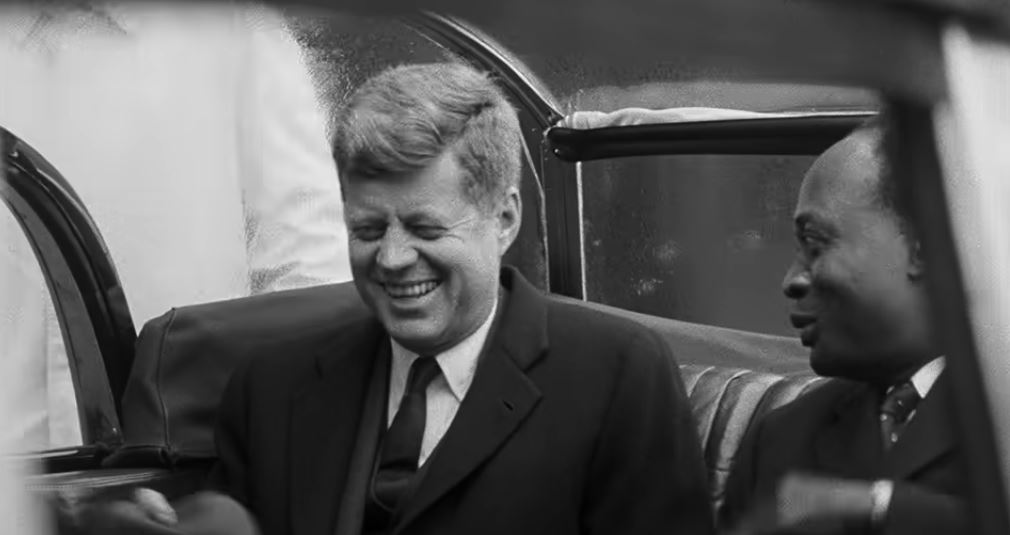
It is almost a who’s who of world politics.
These moments remind us just how significant Ghana was on the international stage during the early years of independence, and how ambitious Nkrumah’s vision was for the African continent.
For a brief period, it feels as though the documentary is building towards something genuinely extraordinary.
And then, unfortunately, it seems to lose its way.
Beautiful cinematography, but where is the story going?
There is no questioning the quality of the production.
The cinematography is stunning. The restored black-and-white and colour footage is beautifully presented, and the documentary captures Chris Hesse with a level of intimacy and respect that is genuinely moving.
However, as the film progresses, we seem to enter an endless cycle of montages, historical footage and repeated reflections on Nkrumah’s vision.
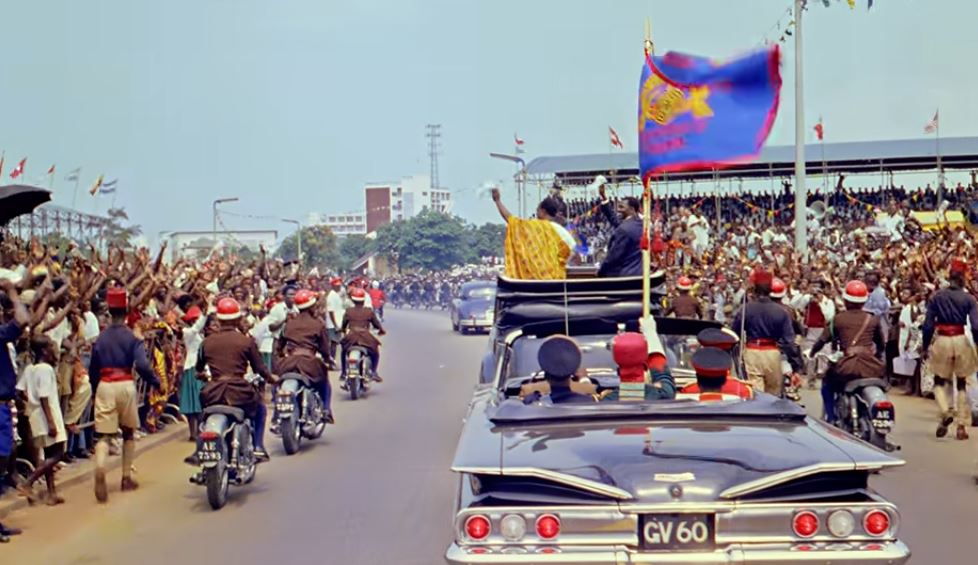
Hesse continues to remind us of the importance of Nkrumah’s legacy, but the narrative doesn’t develop much beyond what has already been established.
And this is where the documentary begins to feel more like a collection of beautifully produced short films than one cohesive feature.
Take Mr Addo, for example.
We are introduced to this fascinating character who has spent two decades living at the abandoned Rex Cinema, apparently waiting for the day when films will once again be projected onto its screen.
But why?
Is this a personal protest against the decline of Ghana’s cinema culture? Is he preserving a piece of Ghana’s film history? Is he waiting for the restoration of Hesse’s films so that they can be screened there?
We are never really given enough information to understand his motivations.
His story is visually compelling, but it feels unfinished.
Then there is Anita Afonu.
She is introduced as an important figure in Hesse’s life and career, yet her contribution to the documentary feels limited. She is not the director of Eyes of Ghana, and beyond helping introduce Hesse’s story, we learn relatively little about her own relationship with the history being presented.
Why is her perspective important? What does she represent for the next generation of Ghanaian filmmakers? How has Hesse influenced her work?
Again, we are left wanting more.
The mystery of the missing films
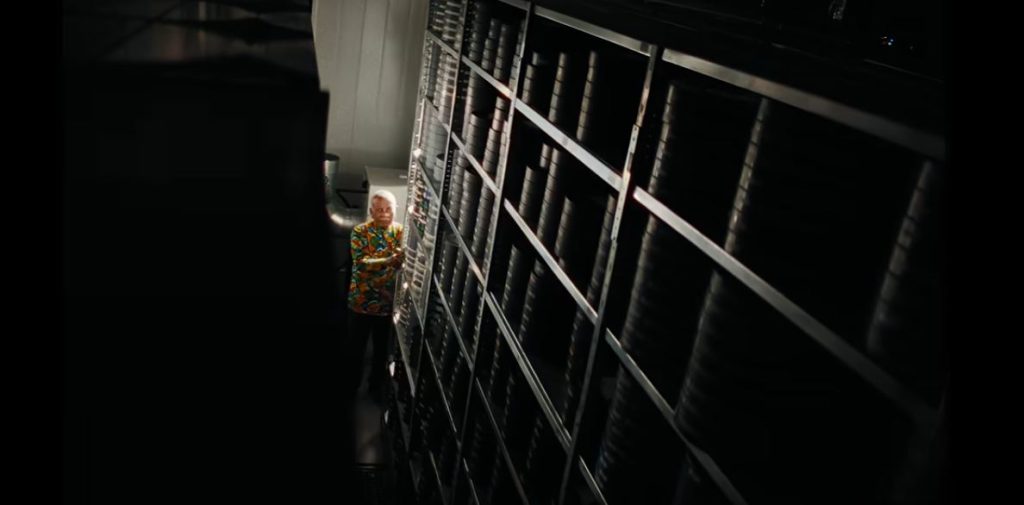
Perhaps the biggest disappointment is how the documentary handles the very story that attracted me in the first place. The trailer suggests a dramatic rediscovery of historical footage that had somehow been lost to Ghana.
But early in the documentary, Hesse provides a fairly straightforward explanation for why the original film negatives ended up in London.At the time, Ghana did not have the necessary facilities to properly process the film being shot. The footage was therefore sent to London for processing, with copies returned to Ghana while the original negatives remained in storage.
This is an important story in itself.
It speaks to the infrastructure challenges facing newly independent African countries and the continued reliance on facilities outside the continent to preserve their own history.
But it is not quite the mysterious disappearance or revolutionary rediscovery that the trailer appears to suggest.
And once that explanation is given, the documentary never really builds another compelling narrative around the recovery of the films.We hear about the extraordinary archive, but see relatively little of the actual restoration process or the discoveries that might emerge from it.
For a documentary running approximately 90 minutes, we are presented with only around 15 minutes of restored footage from Hesse’s archive.With so much material reportedly still awaiting restoration, I couldn’t help wondering whether we were watching the beginning of a much bigger story rather than the story itself.
What did other moviegoers think?
After the screening, the viewGhana team spoke with several moviegoers to understand their reactions and interpretations. We were fortunate to speak with three people from very different backgrounds: a Ghanaian entrepreneur, an emerging filmmaker with Caribbean heritage, and a diaspora creative consultant of mixed West African heritage.
Their reactions were particularly interesting because they highlighted how differently the same documentary could be experienced.
The Ghanaian entrepreneur: A story of perseverance
For the Ghanaian entrepreneur, the documentary was inspirational.
They looked beyond the historical narrative and saw a story about perseverance, dedication and one man’s determination to preserve an important part of his country’s history. The beautiful cinematography helped reinforce that message. For them, the documentary succeeded because Chris Hesse’s personal journey was powerful enough to carry the film.
The creative consultant: Where is the main course?
The creative consultant had a rather different interpretation, one that closely reflected my own feelings. They felt the documentary lacked a substantial main body. Their analogy was particularly Ghanaian and rather brilliant.
Imagine going out for a proper meal. You are served malt, peanuts and bofrot to get you started, but you’re expecting the jollof rice or kenkey to follow.
Except the main course never arrives. That, for them, was Eyes of Ghana.
A beautifully presented starter, full of promise, but without the substantial story they had been expecting. They were left wondering whether there was a second part still to come, because surely there had to be more.
The filmmaker: Understanding the intended audience
The emerging filmmaker offered another perspective.
Looking at the documentary through the lens of production, aesthetics and storytelling, they felt the film was probably designed for a very particular audience.
An international audience that may know very little about Ghana, its independence or the charismatic leader who helped shape its early history.
From that perspective, the documentary works. It introduces Nkrumah, establishes Ghana’s historical importance and presents Chris Hesse as a remarkable figure whose work deserves recognition. The filmmaker also appreciated the visual craftsmanship and the deliberate production choices. And perhaps that is the key to understanding Eyes of Ghana.
The documentary may work considerably better as an introduction to Ghanaian history than as a historical revelation for those who already know it.
So, was Eyes of Ghana worth watching?
Absolutely.
Despite my criticisms, Eyes of Ghana is a worthwhile documentary. Chris Hesse is an extraordinary individual, and at 93 years old, his memories and experiences deserve to be captured and preserved for future generations.
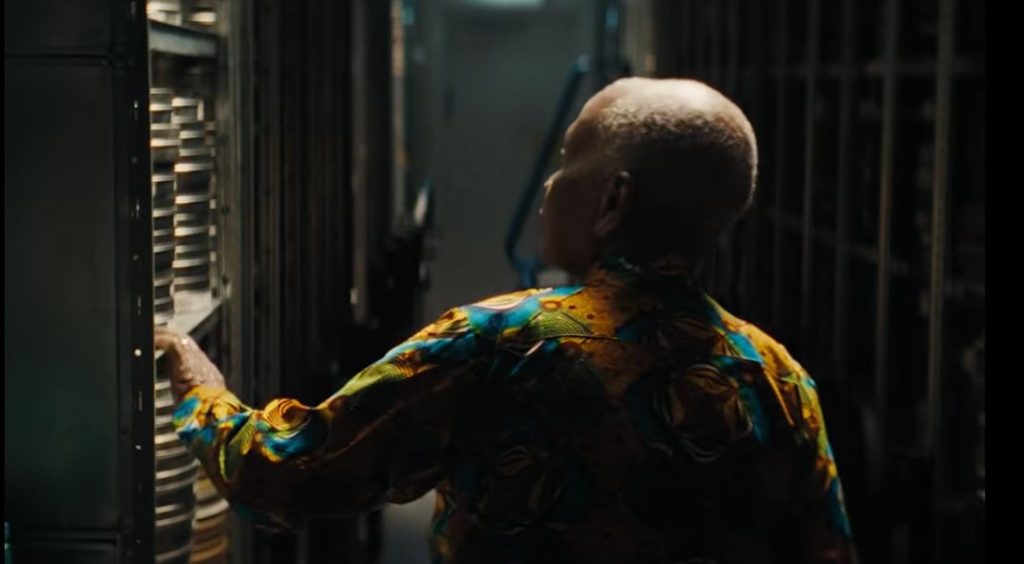
The historical footage is fascinating, and the documentary is a reminder of how much Ghana contributed to the political transformation of Africa during the 20th century. But I can’t escape the feeling that the film promised something more.
There were opportunities to explore Hesse’s relationship with Nkrumah in greater depth, to better understand the restoration of the archive, and to develop the stories of Anita Afonu and Mr Addo.
Instead, we are given a beautifully shot, sometimes repetitive documentary that seems more interested in celebrating the importance of its subject than fully exploring the story behind him.
Perhaps that is because the real story is still unfolding. With hundreds of film reels reportedly awaiting restoration, the most fascinating discoveries may still be ahead of us. And if that is the case, I would certainly welcome a second documentary that takes us deeper into the archive.
The viewGhana verdict
A beautifully filmed documentary with an important story to tell, but one that doesn’t quite deliver on the expectations created by its trailer.
If you are unfamiliar with Ghana’s independence story or the extraordinary vision of Kwame Nkrumah, Eyes of Ghana is a compelling introduction. If you already know that history and are hoping to discover previously unseen revelations from Chris Hesse’s archive, you may leave feeling that something is missing.
Nevertheless, it’s an enjoyable watch for a relaxed Sunday afternoon, particularly for anyone interested in Ghanaian history, filmmaking and the preservation of African heritage.
At the time of our screening, the Accra showings appeared to have been concentrated on 31 October 2026, which seemed a rather limited opportunity for audiences to experience the film.We hope there will be additional special screenings in November and, eventually, a wider streaming release so more people can discover Chris Hesse’s remarkable story.
Have you watched Eyes of Ghana? Did you find it inspirational, or were you also expecting more from the historical archive? We’d love to hear your thoughts.