In 2019, Ghana made global headlines with the Year of Return, welcoming thousands from the African diaspora to reconnect with their roots. The emotional pull of Cape Coast Castle, vibrant cultural festivals, and the promise of a life in the “motherland” inspired many to relocate.
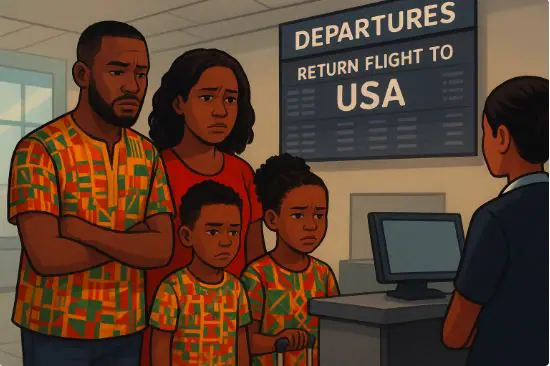
However, by 2026, a quiet shift is happening: some who arrived with excitement are leaving just as quietly. Ivy Prosper, a media expert and former Social Media Manager for the Beyond the Return secretariat, has spent nearly a decade in Ghana documenting this transition. Her insights reveal why the “Return” often hits a wall of reality—and how to ensure you are one of the ones who stay.
The “Emotion vs. Logic” Trap
One of the biggest hurdles for returnees is the reason they moved in the first place. Ivy Prosper notes that many move based purely on an emotional or spiritual connection.
The Emotional Pull: Escaping systemic racism in the West and seeking a “home” where you are the majority is a powerful motivator.
The Spiritual High: Many visitors describe a profound connection when visiting sites like the Door of No Return or Assin Manso.
The Logical Gap: Ivy warns that “Ghana is not a dream; it’s a reality.” If you move on emotion alone, without a logical plan for income, housing, and cultural adaptation, that spiritual high often wears off within two years when the bank account runs low.
The Economic Wake-up Call
Ghana is frequently marketed as “cheap,” but the diaspora often receives a harsh wake-up call regarding the cost of living and the job market.
1. The Salary Shock
Unlike the US, UK, or Canada, Ghana is not an employment-based economy for the diaspora.
Local Wages: 90% of local jobs pay significantly less than Western roles. According to Ivy, unless you are recruited from abroad as a high-level “Country Manager,” you may find yourself earning between GH₵2,000 and GH₵6,000 per month.
Negotiating Power: If you want a Western-style salary, you must be recruited while still in your home country to negotiate for pay in foreign currency and benefits like housing and a car.
2. The Entrepreneurial Advantage
Ivy suggests that Ghana is a land for “Legacy Thinkers.” She compares the current economy to the West 100 years ago—a time when massive global brands were just starting.
Market Gaps: Diaspora members often see opportunities that locals overlook, such as high-end branding for local products like cashews, dried fruits, or traditional crafts.
Informality: The lack of “red tape” makes it easier to start a business in Ghana than in London or NYC, provided you have the patience to navigate the local systems.
Cultural Shock: It’s Not December All Year
A major introduction for many is “Detty December.” The parties, the celebrities (like Steve Harvey or Boris Kodjoe), and the high-energy social life create a false impression of daily life.
The “December Trap”: By the second week of January, the party ends. The realities of traffic, construction delays, and a slower bureaucracy set in.
Inflation Tension: There is a growing “quiet friction” as some locals feel the diaspora has driven up the cost of living, from rent prices to the cost of a simple hair braiding session.
Lessons for a Successful Return
To thrive in Ghana, Ivy Prosper emphasizes that you must move from being a “tourist” to being a “resident” in your mindset:
Don’t Expect a Job—Create One: Focus on exports, entrepreneurship, or remote work that pays in foreign currency.
Build a Network, Not Just a Social Circle: Success in Ghana is built on relationships. Networking at events and being proactive is the only way to find reliable partners and avoid “middleman” scams.
Research the “Ugly” Side: Don’t just watch the travel vlogs. Look into the cost of healthcare, the volatility of the Cedi, and the logistics of land ownership.
The 25-Year Seed: Ivy recommends visiting multiple times and staying for months, not weeks, to “plant a seed” before making the final jump.